In Northern Colorado, we are lucky to live in a region with stunning landscapes, but our local water supply often carries a hidden burden for homeowners. While the water flowing through the taps in Loveland, Fort Collins, and Greeley is safe to drink, the mineral content—specifically calcium and magnesium—can be incredibly tough on your household machines. At Jim & Dave’s Appliance, we see the results of mineral buildup daily during our service calls. Understanding how these minerals interact with your dishwashers and washing machines is the first step toward extending the life of your investments and avoiding costly, premature replacements.
Hard Water vs. Your Appliances: The Northern Colorado Survival Guide
Hard Water vs. Your Appliances: The Northern Colorado Survival Guide
The Silent Impact on Heating Elements
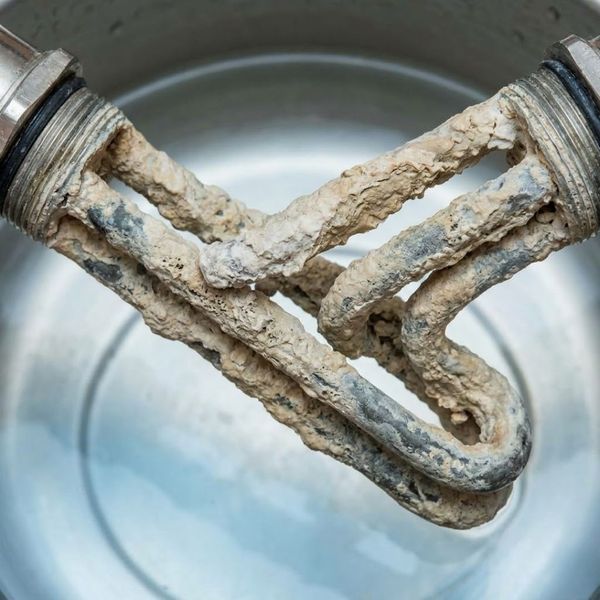
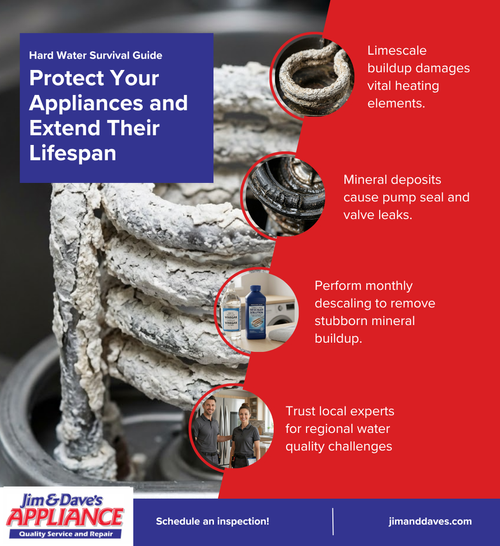
The minerals in our local water act as a silent insulator where you least want it: on your heating elements. As water temperature rises, calcium and magnesium solidify, forming a rock-hard crust known as limescale. This layer forces your dishwasher or washing machine to work much harder to reach the necessary temperatures, significantly increasing energy consumption. Over time, the element can overheat and burn out entirely, leaving you with cold cycles and ineffective cleaning. We frequently encounter this "scaling" effect across the Front Range, and it remains one of the primary reasons for avoidable heating component failures.
Protecting Pump Seals and Internal Plumbing
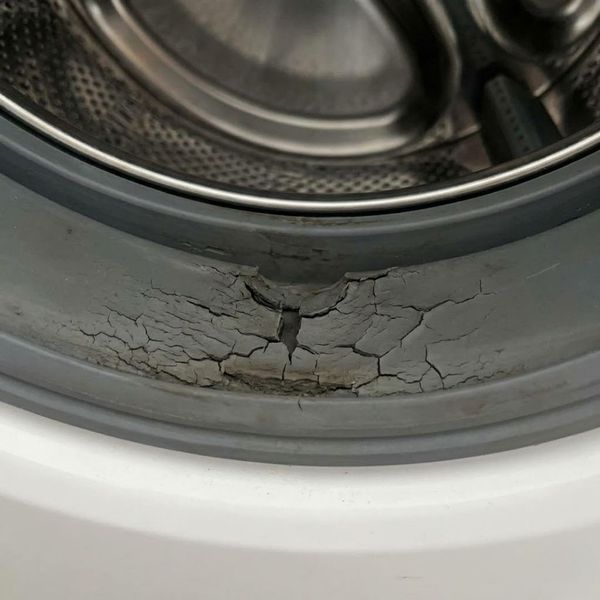
Beyond the heating elements, hard water is particularly aggressive toward the moving parts of your appliances, such as pump seals and valves. Mineral deposits create a gritty residue that acts like sandpaper against rubber seals and plastic gaskets. As these components wear down, your appliances become prone to leaks that can cause secondary damage to your flooring or cabinetry. In our experience servicing the Northern Colorado area, we find that many mystery leaks are actually the result of mineral-corroded seals that have lost their ability to create a watertight fit after years of hard water exposure.
Our Northern Colorado Maintenance Checklist
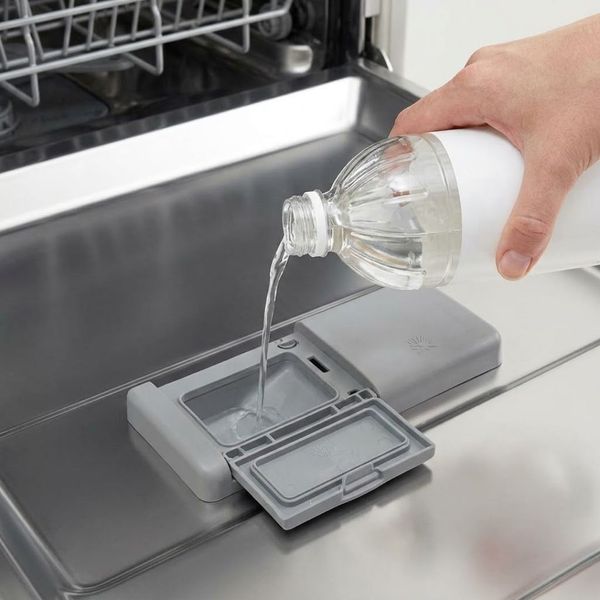
To combat the unique water profile of the Front Range, we recommend a proactive maintenance schedule to keep your machines running smoothly. Once a month, run a dedicated cleaning cycle using a citric acid-based descaler or a simple white vinegar flush to dissolve mineral buildup. For dishwashers, ensure the spray arm nozzles are clear of white crust, and for washing machines, wipe down the door gaskets to prevent sediment from settling. We have found that these small, consistent steps can add years to an appliance's lifespan, saving you the headache of a mid-winter breakdown when you need your machines most.

The Local Advantage for Appliance Care
Choosing a local expert means working with a team that understands the specific environmental factors affecting your home. Because we live and work in the same communities you do, we are intimately familiar with the water quality challenges unique to our corner of Colorado. We don't just fix the immediate problem; we help you understand the why behind the wear and tear. Whether you are dealing with a noisy dishwasher in Fort Collins or a leaking washer in Greeley, our technicians bring regional expertise to every job, ensuring your home stays functional and efficient.
Hard water is an unavoidable part of life in the Front Range, but it doesn't have to mean the end of your favorite appliances. By following a regular cleaning routine and addressing small leaks early, you can protect your home from the damaging effects of mineral scale. At Jim & Dave’s Appliance, we are proud to serve our neighbors with expert home appliance repair and maintenance advice tailored to our local conditions. If you’ve noticed white residue on your dishes or your washer isn't heating like it used to, give us a call today. We are here to help you with fixing appliances and keeping your household running perfectly!